
30.09.2025
Demonstration Projects Launched to Promote Climate-Smart Agriculture in Georgia

As part of the “Promoting Green Deal Readiness in Eastern Partnership Countries (PROGRESS)” initiative, the Regional Environmental Centre for the Caucasus (REC Caucasus) has launched the Demonstration Projects Programme to support the introduction of sustainable and climate-smart agricultural practices in Georgia. The initiative is implemented with the support of GIZ and funded by the International Climate Initiative (IKI) of the German Federal Government.
The programme focuses on introducing modern technologies and environmentally friendly practices in the fruit, berry, and nut value chains, aiming to enhance farmers’ resilience to climate change and promote the transition toward a green and circular economy.
Following a competitive selection process, two demonstration projects were selected for implementation in Georgia.
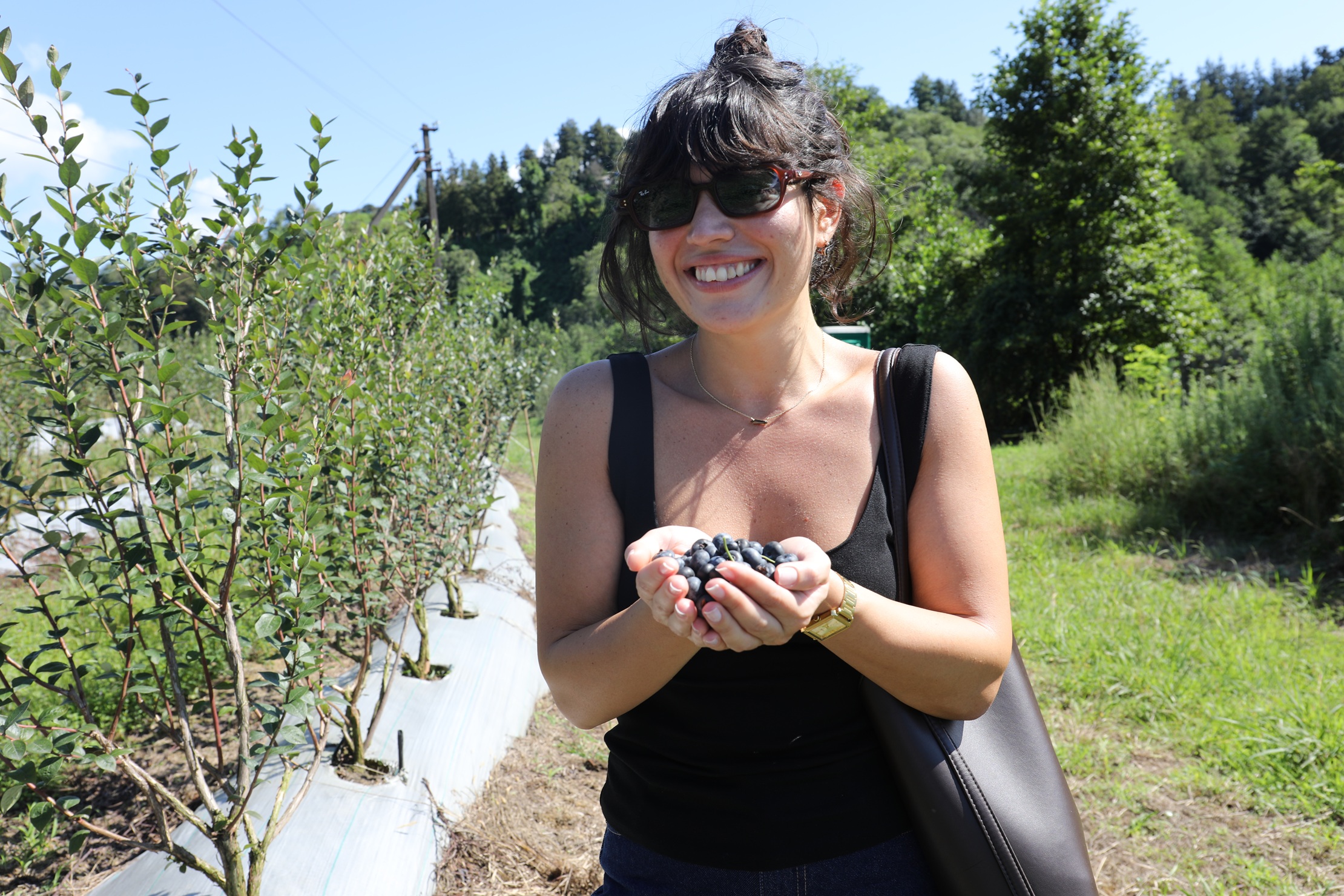
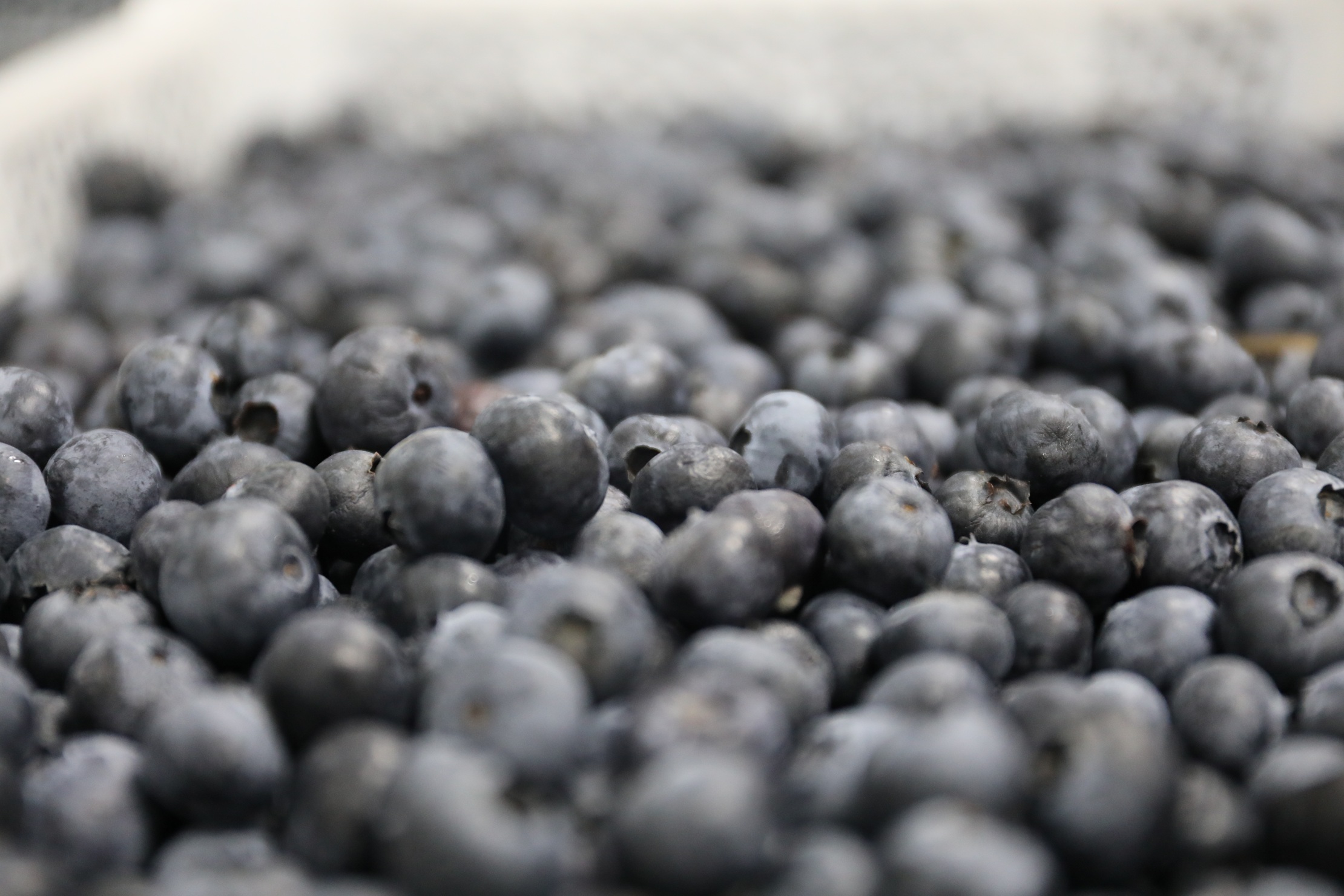
- One project, based in Guria region, focuses on the introduction of climate-smart technologies in blueberry production - including a meteorological station, soil sensors, and fertigation systems to improve irrigation efficiency and nutrient management.
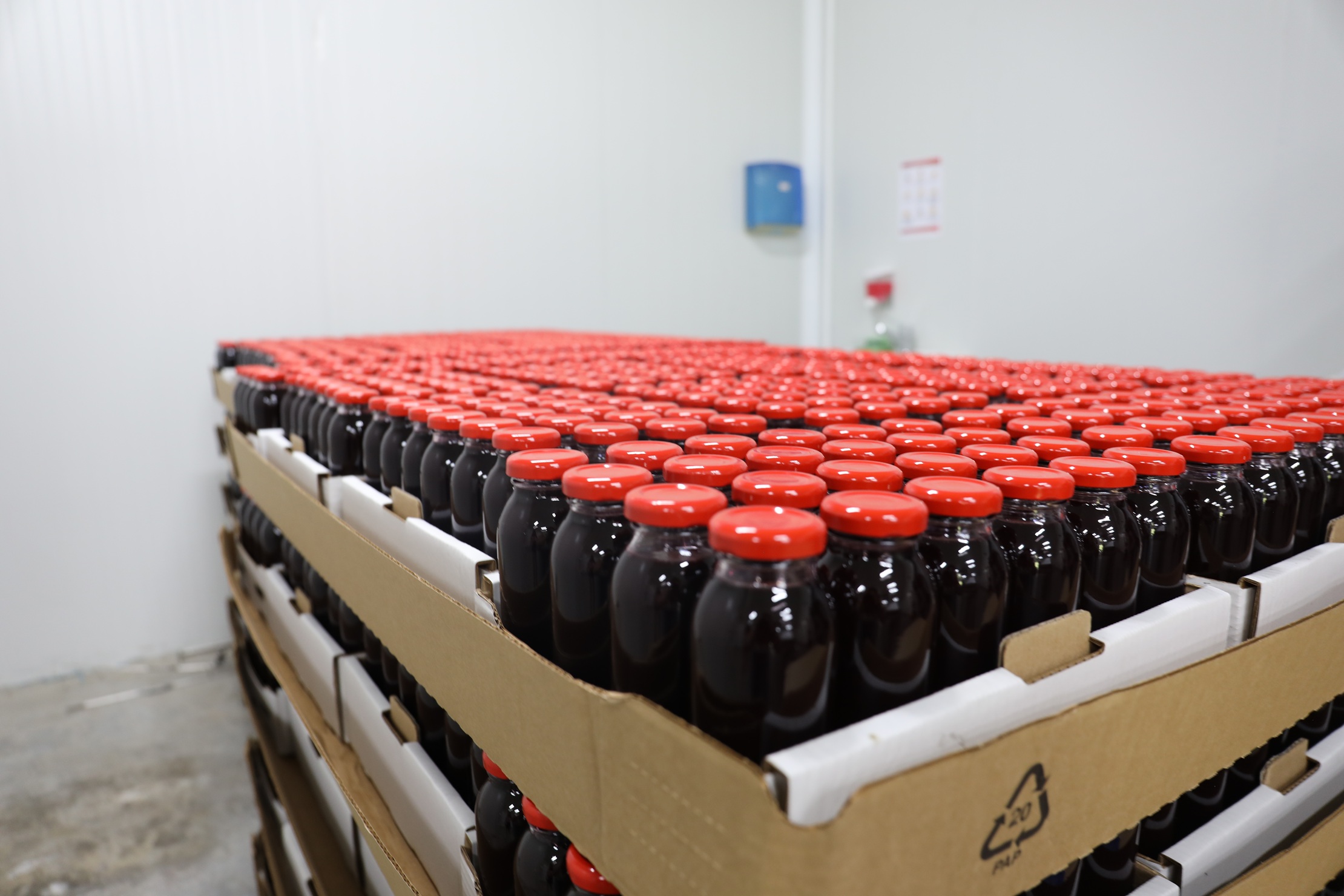
- The second project, implemented in Imereti region, aims to establish a sustainable juice production facility that integrates solar-powered equipment, waste reduction measures, and women’s employment initiatives into the processing of surplus fruit.These demonstration projects are designed to serve as practical models for other farmers and cooperatives, showing how innovation and sustainability can go hand in hand in Georgia’s agricultural sector.
In parallel with the selection process, REC Caucasus conducted environmental impact assessments (EIA) at both project sites to ensure compliance with sustainability principles. The assessment examined soil conditions, water use efficiency, biodiversity impact, and waste management practices.
Based on the findings, a set of recommendations was developed for integrating environmentally responsible solutions during the implementation phase. These measures will further reduce the environmental footprint of the demonstration projects while improving their long-term viability.
The implementation phase will commence from November 2025, followed by monitoring visits, data collection, and knowledge-sharing sessions with local farmers and experts. The results will be used to inform national-level recommendations and replication models for sustainable fruit and nut production across Georgia.